
Installing Sports Courts at Home: What Melbourne Families Need to Consider
Ash & El guides Melbourne families through key steps in sports court installation, ensuring quality results, compliance and lasting outdoor performance.
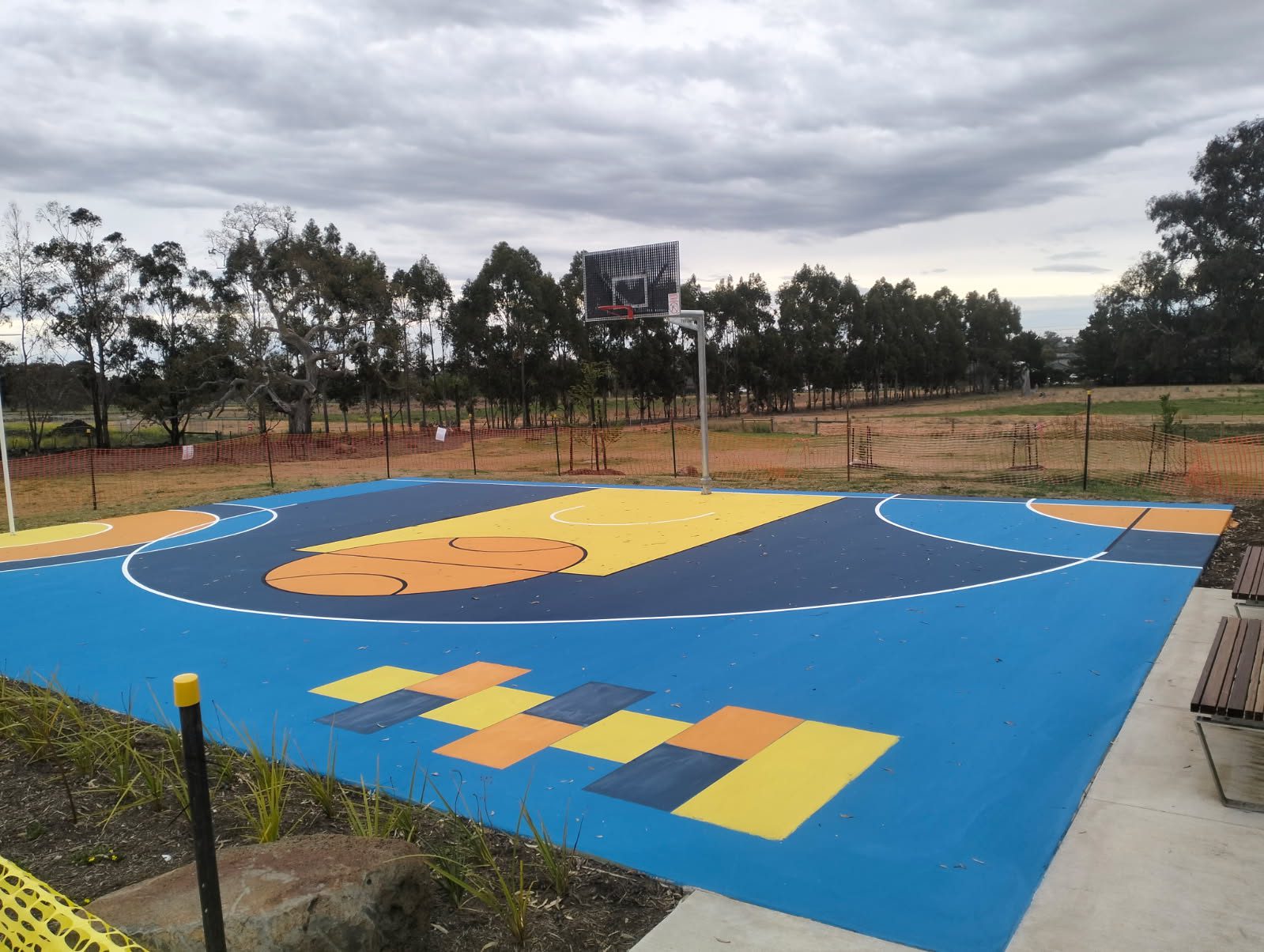
Home recreation spaces are becoming increasingly valuable for Melbourne families, and demand for backyard sports court installation continues to rise. With more households prioritising healthier lifestyles, convenient at-home exercise options, and improved outdoor living, a private sports court offers both immediate enjoyment and lasting use.
The Appeal of a Backyard Court for Melbourne Homes
A backyard sports court offers a versatile space for activities ranging from casual shooting practice to tennis or multi-sport play. Many Melbourne families value it for promoting regular physical activity while providing a safe, private environment for children. It also makes better use of the backyard and can add appeal for future buyers with active families.
Key Considerations Before You Build
Before any construction begins, families must assess several important factors to ensure their court is functional, durable, and suitable for the property. Proper planning establishes the foundation for a successful outcome.
Space and Site Suitability
Assessing available space is critical. The court must fit comfortably within the property while allowing for safe clearance zones around the playing surface. Site orientation, ground slope, soil stability, and drainage performance all influence construction requirements. A flat, accessible area with adequate sunlight and minimal surrounding obstructions will generally support the best result. As a guide, a FIBA 3x3 half court measures 15m by 11m and a full-size basketball court 28m by 15m, but many backyard courts are scaled down to suit the block.
Type of Court: Single-Sport vs Multi-Sport vs Multi-Use
Families should consider how the court will be used both now and in the future. Each court type offers different advantages depending on sporting needs and long-term goals:
- Single-sport courts (e.g., tennis or basketball) deliver focused performance and are ideal for families committed to one primary sport.
- Multi-sport courts allow for several activities on the same surface, accommodating varied interests and encouraging broader family use.
- Multi-use courts maximise versatility by supporting recreational play, skill training, and flexible configurations for different age groups.
For households with diverse sporting preferences, a multi-sport or multi-use layout can significantly enhance value, functionality, and long-term enjoyment.
Surface, Materials, and Design Quality
The quality of materials used will significantly influence the court’s longevity and overall performance. Melbourne’s variable weather conditions make durable, weather-resistant surfaces essential, including concrete, asphalt or engineered modular systems. Incorporating proper drainage, non-slip textures and professional line markings helps minimise maintenance needs and ensures consistent playability. Our basketball court construction and line marking guide covers line widths, run-off and ring height in more detail.
Navigating Legalities and Compliance
Constructing a sports court involves more than choosing a design. Families must ensure the project complies with local regulations to avoid delays, penalties, or required modifications.
- Permits & Approvals: Depending on the scope of works, a building or planning permit may be required. Factors such as fencing height, lighting structures, retaining walls and site modifications can trigger additional approvals; for example, court fencing above 2m on a side or rear boundary generally needs a building permit. Consulting with a qualified builder or surveyor early in the planning phase ensures all documentation is prepared correctly.
- Local Council Guidelines and Regulations: Each Melbourne council enforces its own development guidelines. These may cover structural requirements, stormwater management, boundary setbacks, and allowable working hours. Understanding these regulations is essential for a smooth construction process.
- Impact on Neighbours & Environment: Responsible planning includes considering how the court may affect surrounding properties. Lighting placement, noise levels, drainage efficiency, and visual impact must be managed carefully. Thoughtful design can minimise disruptions and maintain positive relationships within the neighbourhood. If court fencing will sit on a shared boundary, see our guide to boundary fencing with neighbours.
For official court sizes, including full-size and 3x3 basketball courts, see the WA Government basketball dimensions guide. Once your court is built, our sports court maintenance guide explains how to keep it in good condition.
Plan Your Backyard Sports Court with Ash & El
A well-executed sports court installation can transform your outdoor area into a long-lasting recreational asset. Ash & El builds backyard sports courts, court fencing and surrounding landscaping for families across Melbourne, Warragul and Gippsland. We assess the site, help you choose a layout and surface, and work with you on any permits the project needs.
If you are considering a custom sports court for your property, contact us today to discuss design options, site requirements, and tailored solutions that meet your family’s needs. We are ready to assist you from planning through to completion.
Related Blog Articles:
- Basketball Court Resurfacing: Why It’s Essential for Schools and Sports Clubs
- Professional Sports Court Resurfacing in Melbourne – Tennis, Basketball, Netball & More